
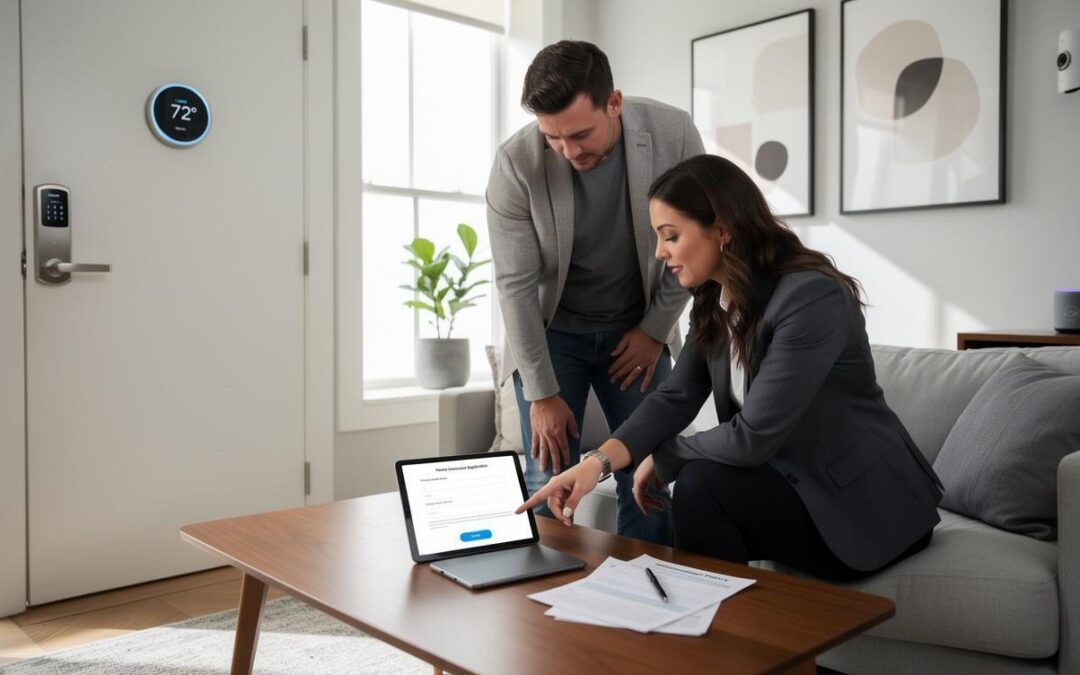
Smart home devices are becoming standard in Texas homes, and they’re changing how insurance works. We at Stonebrook Insurance see homeowners missing out on real savings because they don’t know how these systems affect their coverage.
Your smart security system, water sensors, and connected thermostat can lower your premiums significantly. The right smart home insurance in Texas protects both your devices and your wallet.
How Smart Home Devices Lower Your Insurance Risk
Security Systems Target Your Biggest Losses
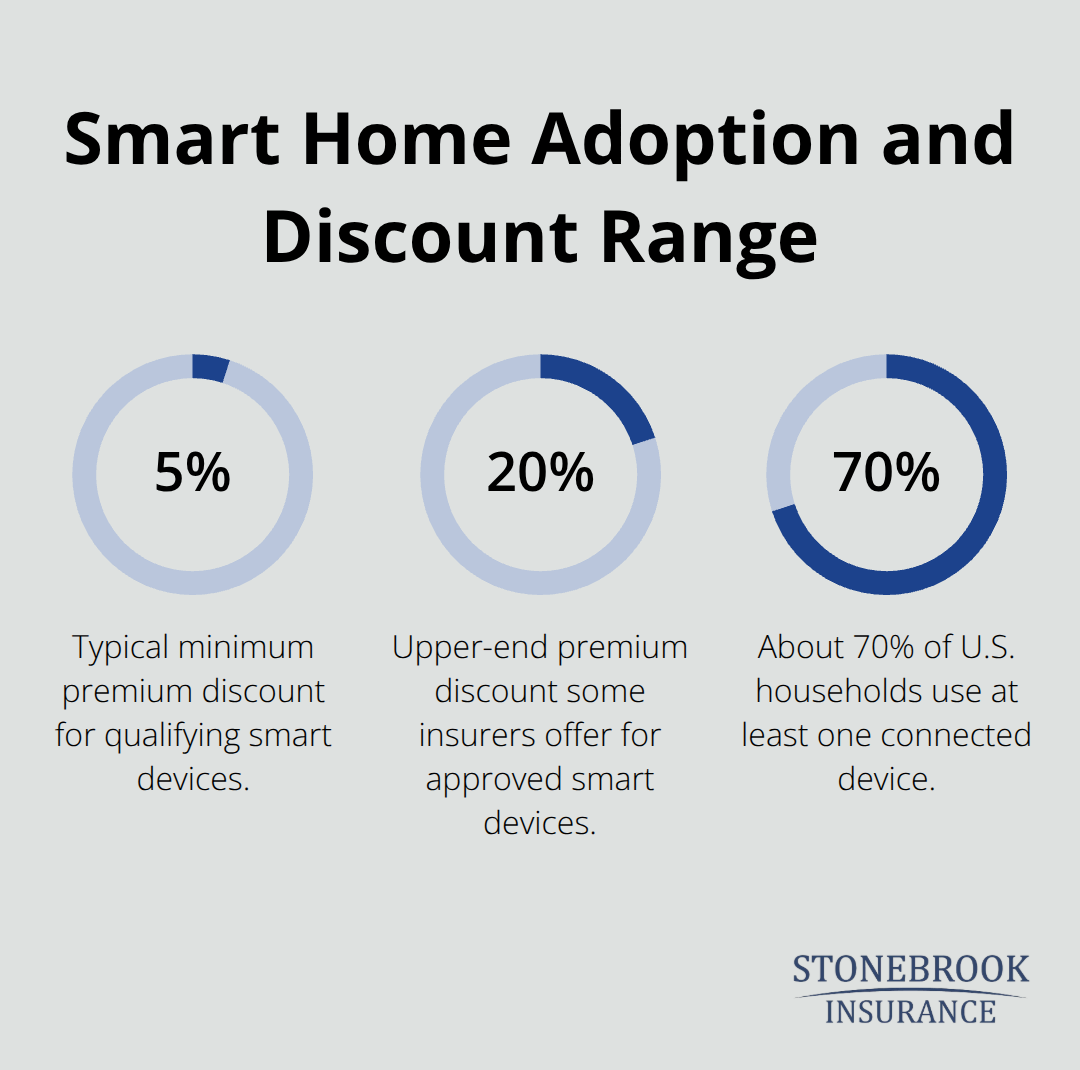
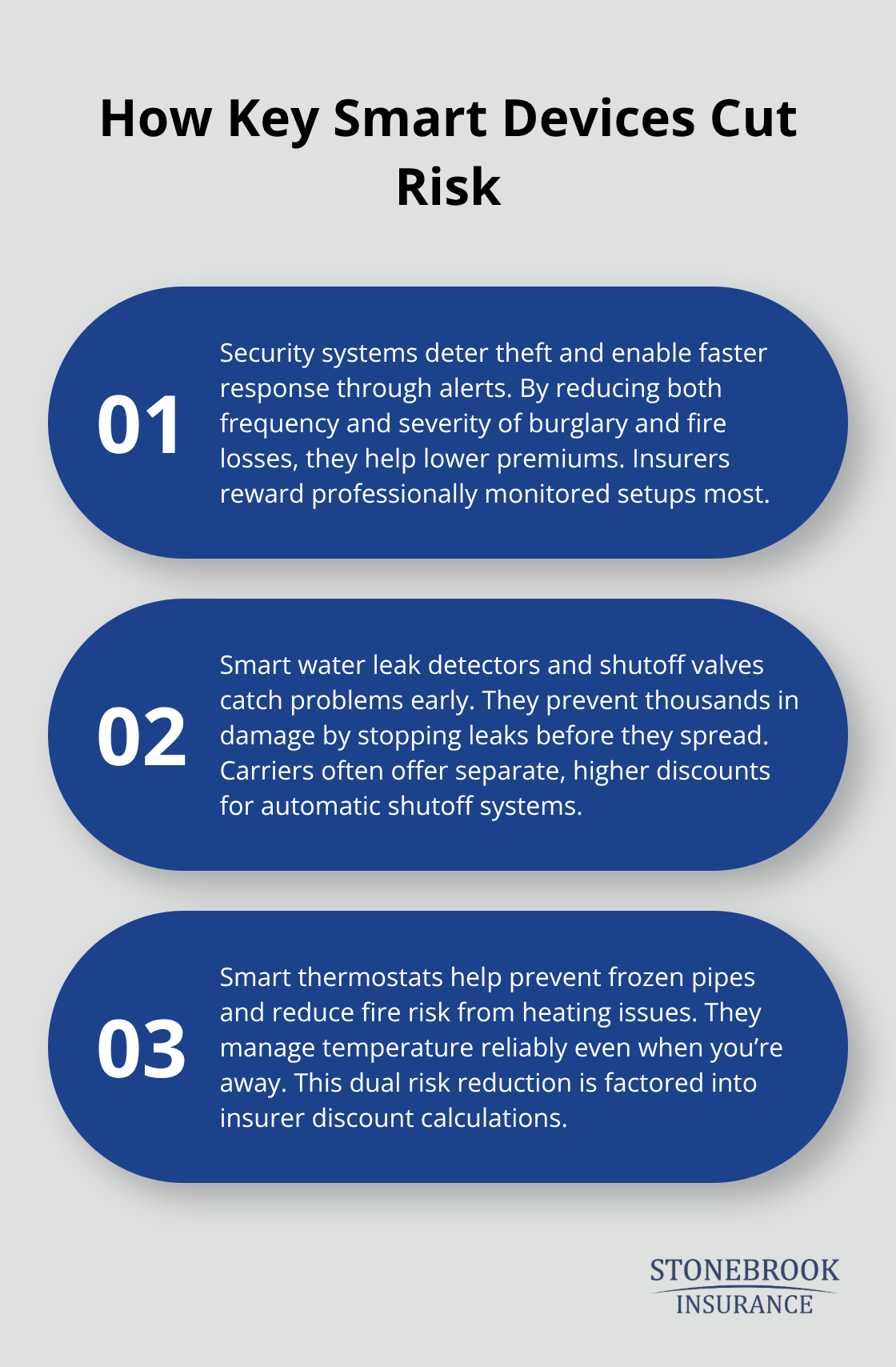
Theft ranks among the top five most common homeowner losses, and smart security systems with window sensors, motion detectors, and cameras make your home a harder target. Insurers recognize that these devices reduce claims frequency and severity, which is why they offer discounts. Travelers, for example, provides a protective device discount specifically for smart home technology that alerts you to burglary or fire. The savings typically range from 5% to 20% of your premium depending on which devices you install and your insurer’s specific rules.
Water Sensors Prevent Thousands in Damage
Water damage from leaks ranks as one of the costliest claims insurers handle. Smart water leak detectors monitor pipe flow and alert you immediately, preventing thousands in damage before it spreads. A smart water shutoff valve combined with leak sensors creates an even stronger risk profile that insurers reward more generously. Texas homeowners who pair smart detection with their standard HO-3 policy coverage gain real protection without paying full price for it.
Smart Thermostats Manage Multiple Risks
Smart thermostats prevent frozen pipes in winter and reduce fire risk by managing heating safely. These devices address two separate hazards that drive up claims costs, making them valuable additions to your protection strategy. Insurers recognize the dual benefit and factor it into their discount calculations.
Multiple Devices Amplify Your Savings
Installing multiple smart devices amplifies your discount potential beyond what a single device offers. A security camera paired with a monitored smoke detector and water sensors creates a comprehensive risk reduction that insurers reward more generously. About 70% of U.S. households now use at least one connected device, and as adoption accelerates, insurers become more competitive with their incentives. The global smart home device market is expected to exceed 167 billion dollars by 2025, reflecting how mainstream this technology has become.
Start Small and Expand Your System
Try starting with the devices that address your highest risks-water damage in older Texas homes or theft in less secure neighborhoods-then add others as your budget allows. You don’t need a full system installed at once; smart door locks, cameras, or doorbells can be added gradually and still qualify for discounts. When you’re ready to review your policy and identify which devices work best for your situation, discussing your setup with your agent ensures you capture every discount available and maintain coverage that actually matches your connected property. The next step involves understanding what gaps exist in your standard homeowners policy when smart devices are part of your home.
What Discounts Can You Actually Claim for Smart Home Devices
Insurers across Texas offer real discounts when you install smart home technology, but the savings vary significantly based on which devices you choose and your carrier’s specific rules. Travelers provides a protective device discount for smart home technology that alerts you to burglary or fire, reflecting how seriously major carriers view risk reduction. The discount amounts typically range from 5% to 20% of your premium, though some insurers structure these savings differently. Security systems with professional monitoring often qualify for larger discounts than self-monitored setups, since monitored systems mean faster emergency response and lower claim severity.
Water Detection Triggers Separate Discounts
Water leak detection devices trigger their own discount category because water damage represents such a substantial portion of homeowner claims. A smart water shutoff valve that detects leaks and stops water flow automatically qualifies for higher discounts than a leak detector alone, since it prevents damage before it happens rather than just alerting you after problems start. Multiple devices stacked together generate better savings than a single device would on its own. A security camera paired with a smart smoke detector and water sensors creates a risk profile that insurers reward more generously than any single component.
Verify Device Eligibility Before You Buy
Contact your specific insurer to learn exactly which devices they recognize and what percentage discount each one qualifies for, since eligibility and amounts vary by carrier and policy type. Your agent can run quotes showing your premium with and without each device you’re considering, then compare the actual dollar savings against the device cost to determine payback period. A 10% discount on a $2,000 annual premium saves $200 yearly, so a $400 smart security system pays for itself in two years before you factor in the theft prevention benefit itself.
Stack Discounts for Maximum Savings
Some carriers offer bundling incentives when you combine smart home discounts with other savings like multi-policy bundling or higher deductibles, so exploring all angles simultaneously prevents you from leaving money on the table. Texas homeowners bundling home and auto coverage with the same carrier often unlock additional percentage reductions that stack on top of device-specific discounts. Work with your agent to verify that your specific devices meet your insurer’s standards before purchasing, since some carriers recognize only devices from certain manufacturers or those with professional monitoring connections.
Document Your Installation for Claims
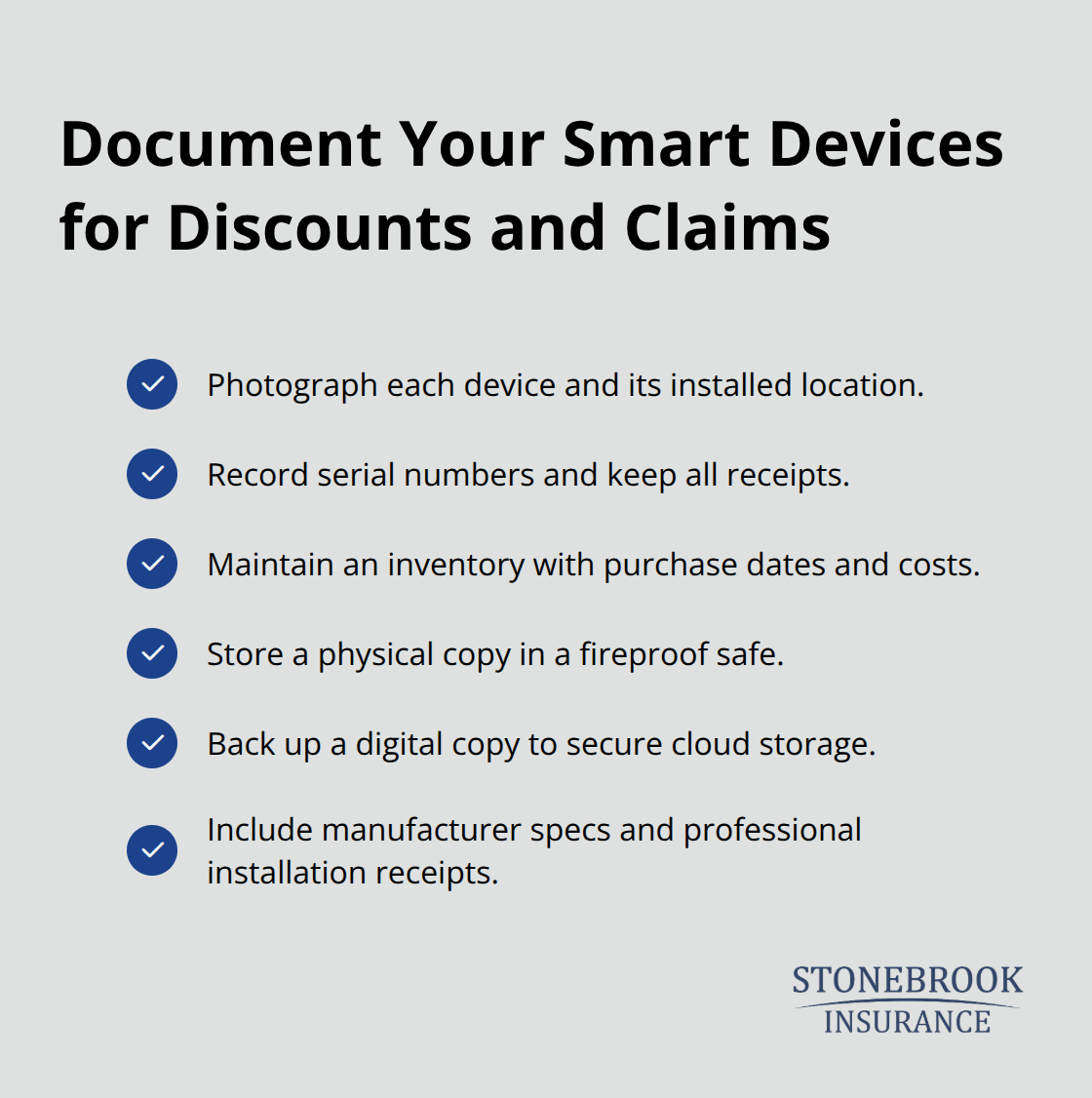
Photograph everything you install and keep serial numbers and receipts so you can prove the devices exist and function when you apply for discounts or file a claim. This documentation protects you during the claims process and supports your discount application. Once you understand which discounts apply to your setup, the next step involves identifying what gaps your standard homeowners policy still contains when smart devices become part of your home.
Gaps Your Standard Policy Won’t Cover
Standard HO-3 homeowners policies in Texas protect your dwelling and personal property against named perils, but they contain significant blind spots when smart devices become part of your home. Your policy covers sudden water damage from a burst pipe, but it excludes flooding entirely-and that gap matters more in Texas than almost anywhere else since the state experiences frequent heavy rainfall and coastal storm surge. Your coverage also won’t protect the smart devices themselves as a separate category; they’re treated as personal property subject to the same depreciation and limits that apply to your furniture and clothing. If you own a $3,000 smart security system with professional monitoring, your standard policy’s personal property limit may cover only a fraction of that value, especially after the insurer applies actual cash value rather than replacement cost.
Replacement Cost Eliminates Depreciation
A replacement cost endorsement on your personal property coverage pays the cost to repair or replace your damaged property. This single endorsement changes everything because it means your $3,000 smart security system receives $3,000 in coverage, not the depreciated amount an insurer calculates. Texas homeowners with high-value smart setups should also schedule specific devices separately on their policy, which means listing them individually with their replacement cost clearly stated-this removes any ambiguity during claims and guarantees payment. Scheduling works especially well for expensive components like professional-grade outdoor cameras or integrated home automation systems.
Water and Flood Coverage Require Separate Action
Water backup endorsements protect against damage from sewer or drain backups, which is distinct from flood coverage and addresses a real risk in older Texas homes where plumbing infrastructure sometimes fails during heavy storms. Flood insurance remains separate and required in many Texas counties, particularly coastal areas and those in FEMA high-risk zones, since standard policies exclude all flood damage regardless of cause. Adding flood coverage or a water backup endorsement to your policy closes these gaps before a storm or pipe failure forces you to pay out of pocket.
Create a Detailed Device Inventory Now
Create a detailed inventory of every smart device in your home, including purchase date, cost, serial number, and photos of the equipment both installed and in its packaging. Store this inventory in two places: one physical copy in a fireproof safe and one digital copy in cloud storage like Google Drive or Dropbox so it survives any disaster affecting your physical home. When you file a claim after theft or damage, this documentation becomes your proof that the devices existed, their value, and their condition before loss. Insurers pay claims faster and more completely when homeowners provide clear evidence, and smart devices often require this extra proof because they’re newer and less familiar to claims adjusters. Include the manufacturer specifications and any professional installation receipts, since these documents support your replacement cost claims and demonstrate that devices were properly installed.
Final Thoughts
Smart home technology delivers real savings on your Texas homeowners insurance, but only when your coverage matches your actual setup. Water sensors, security systems, and smart thermostats reduce your risk profile in ways insurers recognize and reward with discounts ranging from 5% to 20%, yet many homeowners leave money on the table by not coordinating their smart devices with their policy. Your standard HO-3 policy still contains gaps that smart devices alone cannot fill, making replacement cost endorsements, flood coverage, and scheduled personal property protection essential when your connected home includes expensive equipment.
A local agent who understands smart home insurance in Texas makes the difference between capturing every available discount and missing savings you’ve already earned. Your agent reviews your specific devices, verifies which ones your carrier recognizes, runs quotes showing the actual dollar impact of each discount, and identifies coverage gaps before a loss forces you to pay out of pocket. They also help you document your smart home equipment properly so claims move faster and settle more completely when damage occurs.
We at Stonebrook Insurance help Texas homeowners secure coverage that actually protects their property. Our three Texas locations in Comanche, McKinney, and Round Rock give you access to local service combined with shopping across multiple major carriers to find the best rates and discounts for your connected home. Contact us today to review your smart home setup and confirm you’re getting the savings you deserve.
The information provided in this blog is for general informational purposes only and does not constitute legal, financial, or insurance advice. Coverage options, terms, and availability may vary. Please consult with a licensed professional for advice specific to your situation.
Artificial intelligence may have been used to generate text and images in some blog articles.