
Retirement should bring peace of mind, not insurance headaches. Senior homeowner insurance in Texas comes with unique challenges-from age-related coverage gaps to finding policies that actually fit your needs.
We at Stonebrook Insurance help Texas seniors navigate these decisions with clarity and confidence. This guide walks you through everything you need to know.
What Coverage Do Senior Homeowners Actually Need in Texas?
Standard Coverage Forms the Foundation
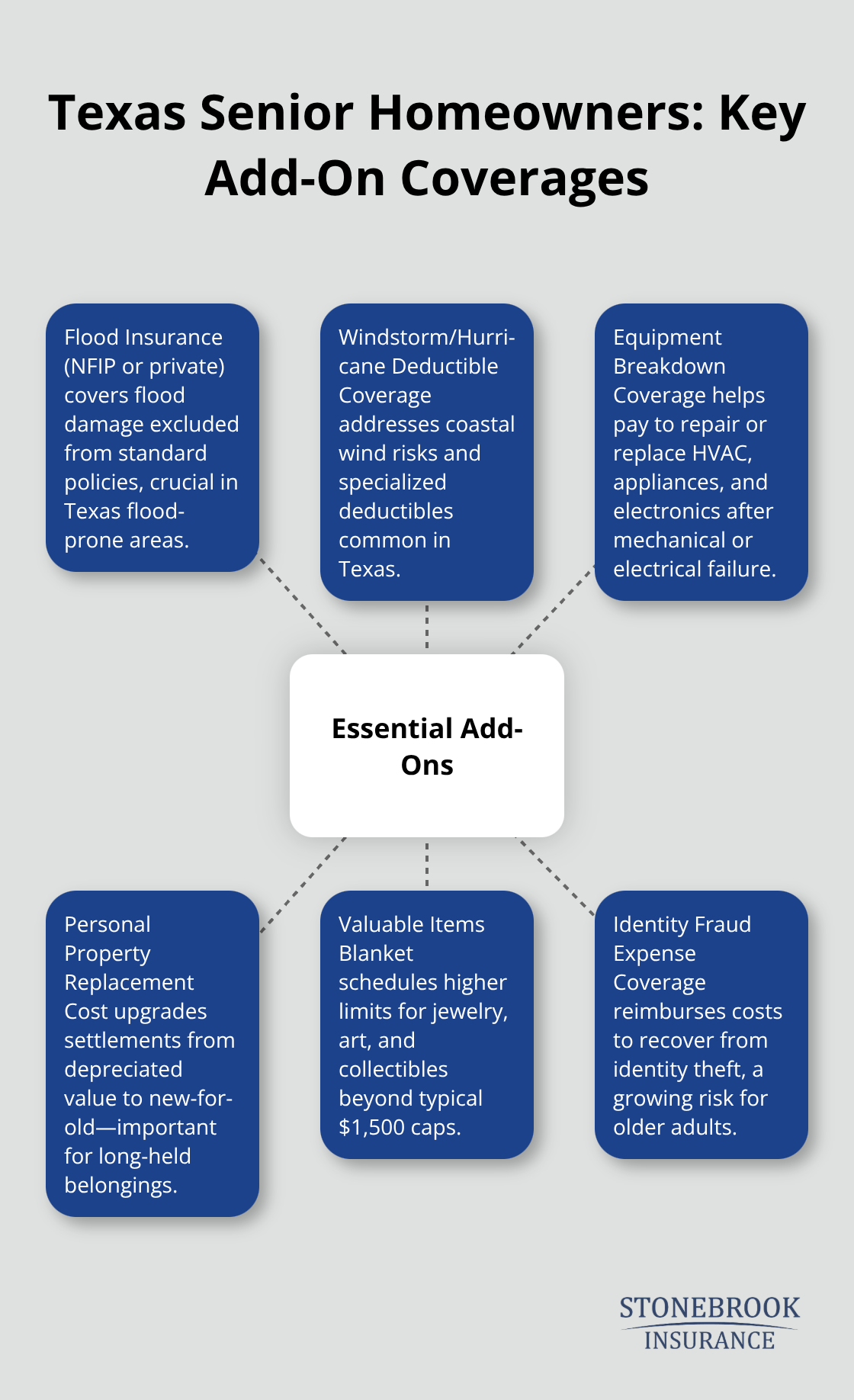
Standard homeowners insurance covers dwelling, other structures, personal possessions, liability, and additional living expenses if you’re displaced. For seniors in Texas, this foundation matters, but the real question is whether it’s enough. Texas homeowners face specific hazards from floods, hurricanes, and wildfires, with climate change increasing both frequency and severity of disasters. A standard policy won’t cover flood damage or windstorm coverage in high-risk coastal areas, meaning you’ll need separate flood insurance through the National Flood Insurance Program or a private insurer, plus potentially additional wind or hurricane deductible coverage.
According to US News & World Report, the average Texas homeowners insurance cost runs about $4,510 annually, but that baseline assumes standard coverage without the extras many seniors require.
Why Age Matters Less Than You Think
Age itself isn’t the primary driver of higher premiums-location, home condition, coverage limits, and claims history matter far more. However, seniors often own homes free and clear or with minimal mortgages, which changes how you should think about coverage limits. If your home is worth $500,000 and you’re underinsured, you’re gambling with decades of equity.
Specialty Coverage Seniors Often Overlook
Equipment Breakdown Coverage deserves serious consideration if your HVAC, appliances, or electrical systems are aging. This coverage helps cover repair or replacement costs if your appliances or electronics have a mechanical or electrical failure, which matters when a single air conditioning replacement in Texas heat costs $5,000 to $10,000.
Personal Property Coverage with replacement cost protection replaces belongings with new items of the same quality rather than depreciated value-important if you’ve accumulated possessions over 40+ years. Many seniors also benefit from specialty add-ons like Valuable Items Blanket for jewelry or collectibles, and Identity Fraud Expense Coverage that reimburses out-of-pocket recovery costs after identity theft, a growing concern for older adults.
Liability and Medical Protection
Medical Payments Coverage and Personal Liability Coverage protect you if someone is injured on your property or if a family member causes injury elsewhere, covering legal defense costs and court judgments up to policy limits. These protections shield your assets from unexpected legal claims.
The Gap Most Seniors Miss
The coverage seniors most frequently overlook is Loss of Use Coverage, which pays living expenses if you’re displaced by a covered loss-nursing home costs or temporary housing add up fast, and this coverage prevents that financial shock. Understanding what gaps exist in your current policy sets the stage for selecting the right carrier and discounts that actually work for your situation.
Picking the Right Carrier Without Overpaying
Compare quotes across multiple carriers
Texas homeowners have legitimate reasons to shop around. Each carrier’s premium formula is different, with factors including your home’s age and roof type affecting costs. Senior homeowners should obtain quotes from at least three carriers before deciding, and this matters more than age-based discounts.
When you compare quotes, ignore the headline premium and instead focus on what each policy actually covers. A cheaper quote that excludes Equipment Breakdown Coverage or limits Personal Property replacement cost isn’t a bargain if your air conditioning fails or your home floods.
Focus on Coverage, Not Just Price
The lowest premium often masks significant gaps. State Farm and USAA consistently offer competitive rates in Texas. However, the cheapest option doesn’t automatically serve your needs best. Verify that your chosen policy includes Loss of Use Coverage, Medical Payments Coverage, and Personal Liability protection at adequate limits. High-value properties require additional scrutiny-standard policies cap Personal Property coverage at $1,500 for jewelry and collectibles, which leaves most seniors underprotected.
Maximize Discounts That Actually Work
Discounts for Texas seniors cluster around five categories that genuinely reduce your bill. Bundling home and auto insurance saves money combined, with meaningful reductions available through home security systems, fire protection upgrades, and recent roof replacements. Claim-free discounts reward years without losses, and paying your premium in full rather than monthly often yields 5% to 10% savings.
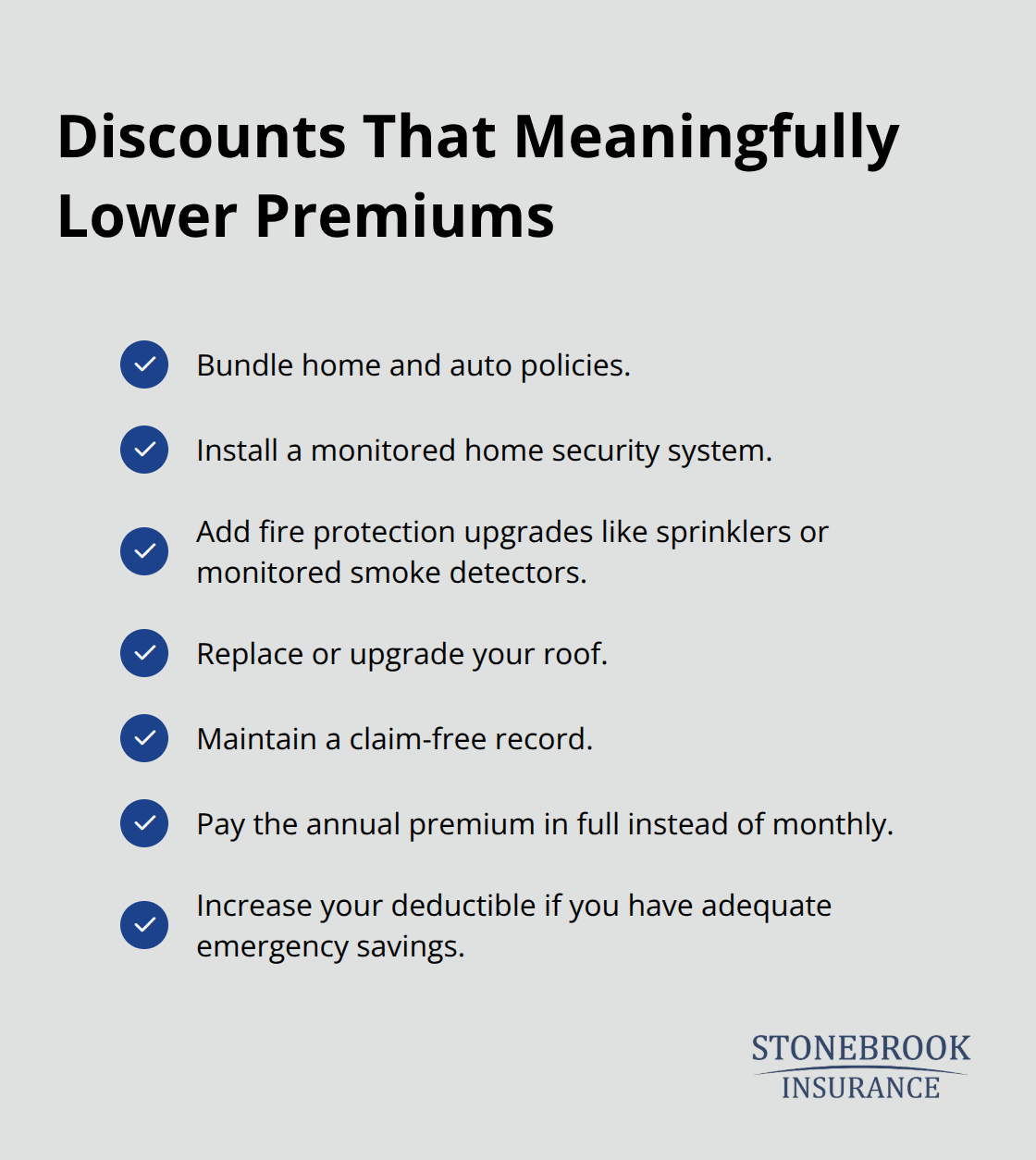
However, the discount that moves the needle most is increasing your deductible from $500 to $1,000-this alone typically reduces premiums by 10% to 15% if you have adequate emergency savings.
Specialized Coverage for High-Value Properties
High-value properties benefit from specialized coverage that standard policies exclude. If your home contains jewelry, art, or collectibles worth more than $5,000, Valuable Items Blanket coverage protects these separately at replacement cost rather than under the standard $1,500 limit most policies impose. Identity Fraud Expense Coverage, which reimburses recovery costs after identity theft, costs minimal premiums but protects seniors facing growing fraud targeting older adults.
Disappearing Property Deductible, available through select carriers, reduces your deductible each year after three consecutive claim-free years, rewarding long-term loyalty and careful home maintenance. These add-ons transform a basic policy into comprehensive protection that matches your actual assets and lifestyle. Once you’ve selected a carrier and locked in your coverage, the next step involves identifying which home safety upgrades will lower your premiums further while protecting your property against Texas-specific hazards.
Protecting Your Home and Assets as You Age
Home Improvements That Cut Premiums and Protect Your Property
Specific home improvements directly reduce your insurance premiums while hardening your property against Texas weather. Installing a new roof can reduce premiums depending on the material and your insurer’s underwriting, which matters since Texas roofs face constant punishment from hail, wind, and intense sun exposure. Fire protection systems like sprinklers or monitored smoke detectors generate 5% to 10% discounts with most carriers. Home security systems that monitor doors, windows, and motion typically earn 10% to 15% reductions because they demonstrably reduce theft and break-ins.
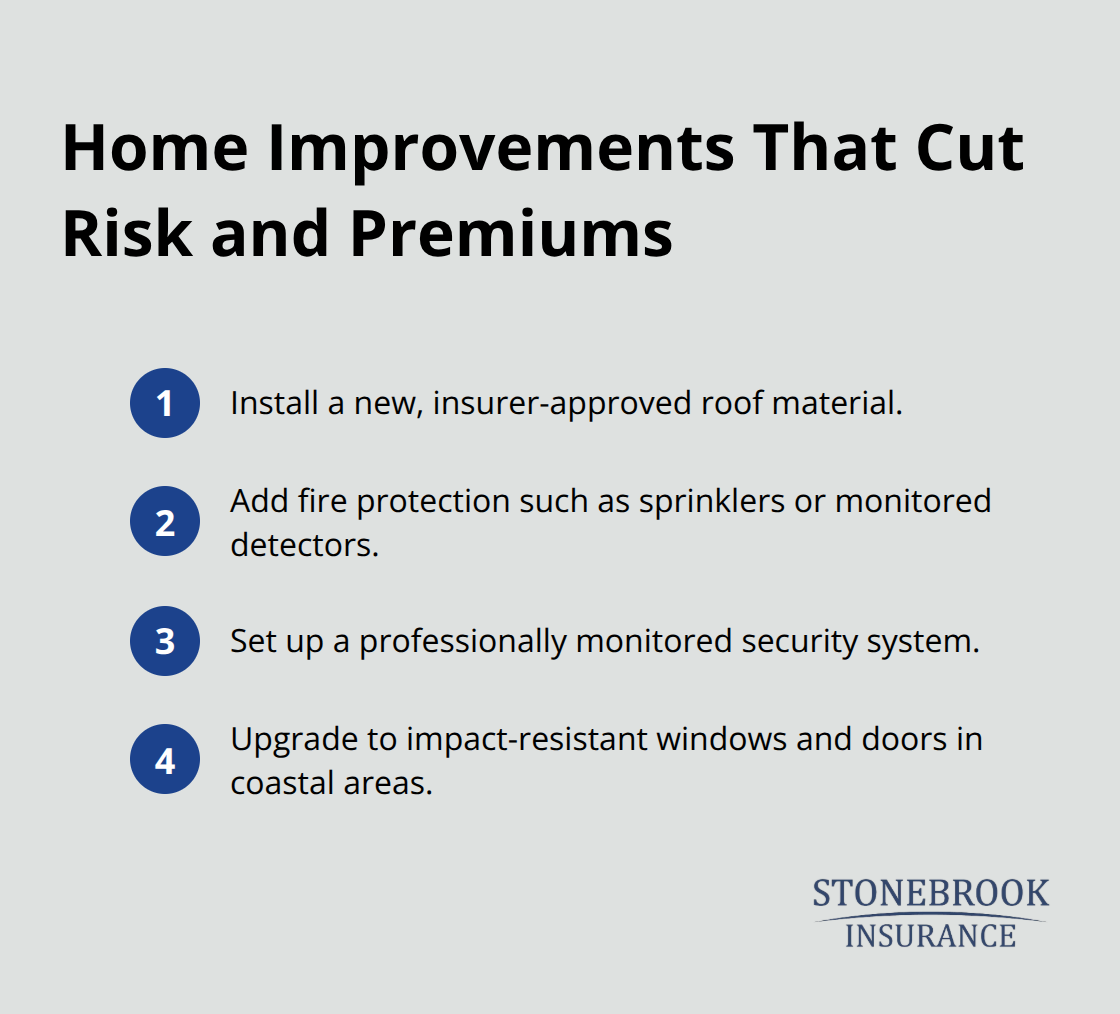
The highest-impact upgrade for Texas seniors involves upgrading to impact-resistant windows and doors in coastal areas, which mitigates hurricane and windstorm damage while satisfying lender requirements and potentially cutting premiums by 10% to 20%. These improvements aren’t just insurance optimizations-they’re practical investments that protect your actual safety and property value.
Critical System Upgrades That Prevent Costly Losses
Air conditioning systems over 15 years old represent a genuine risk for Equipment Breakdown losses that cost $5,000 to $15,000 to replace. Upgrading to a newer unit simultaneously improves your comfort, reduces repair risk, and qualifies for equipment efficiency discounts that offset installation costs. Electrical panel upgrades from 60-amp to 200-amp service eliminate a major fire hazard that insurers flag on older homes, and this work often qualifies for substantial premium reductions.
The mistake most seniors make involves treating these upgrades as separate from insurance planning, when they’re actually the most direct path to lower premiums without sacrificing coverage.
Aligning Your Coverage With Your Life Plans
Property management and long-term care planning require hard decisions about your home’s future role in your retirement. If you plan to move to assisted living or a senior community within five years, your insurance strategy changes-you shouldn’t invest heavily in expensive upgrades that won’t recoup their value, but you should maintain comprehensive coverage including Loss of Use to protect your financial position if displacement occurs before you relocate.
Conversely, if you stay in your home indefinitely, those roof upgrades and security systems become investments in both safety and premium reduction. The critical conversation involves discussing your actual timeline with an agent who understands Texas properties and senior life transitions, not an online quote system. This partnership approach means your policy evolves as your circumstances change, preventing the common problem where seniors carry outdated coverage that doesn’t match their current living situation.
Working With Local Expertise for Personalized Solutions
Your home represents your largest asset and your security-protecting it adequately while paying reasonable premiums requires strategy, not just shopping for the lowest quote. An agent familiar with Texas properties and senior transitions can help you navigate these decisions with clarity. Stonebrook Insurance, a Texas-based family-owned agency with more than 30 years’ experience, works with seniors to align coverage with your real plans, whether that involves aging in place with enhanced safety features or maintaining coverage during a planned transition.
Final Thoughts
Senior homeowner insurance in Texas requires strategy, not guesswork. Standard coverage protects your dwelling, possessions, and liability, but Texas-specific hazards demand additional layers like flood insurance and windstorm protection. Age itself matters less than location, home condition, and coverage limits, which means your focus should land on matching your policy to your actual assets and life plans rather than chasing age-based discounts that rarely deliver meaningful savings.
Your path forward involves three concrete steps: obtain quotes from at least three carriers and compare actual coverage rather than just premiums, identify which home improvements deliver both safety and premium reductions (a new roof, security system, or impact-resistant windows protect your property while lowering your costs), and add specialty coverage that matches your situation such as Equipment Breakdown if your systems are aging or Loss of Use if displacement would strain your finances. An agent who understands Texas properties and senior transitions can help you navigate these decisions with clarity and confidence. We at Stonebrook Insurance have spent more than 30 years helping Texas families find coverage that actually fits their needs at competitive rates, backed by local service across our Comanche, McKinney, and Round Rock locations.
Connect with our team to discuss your senior homeowner insurance Texas coverage and build the protection that matches your retirement plans. Visit Stonebrook Insurance to start the conversation. Peace of mind in retirement comes from knowing your home and assets are protected without overpaying for coverage you don’t need.
The information provided in this blog is for general informational purposes only and does not constitute legal, financial, or insurance advice. Coverage options, terms, and availability may vary. Please consult with a licensed professional for advice specific to your situation.
Artificial intelligence may have been used to generate text and images in some blog articles.