
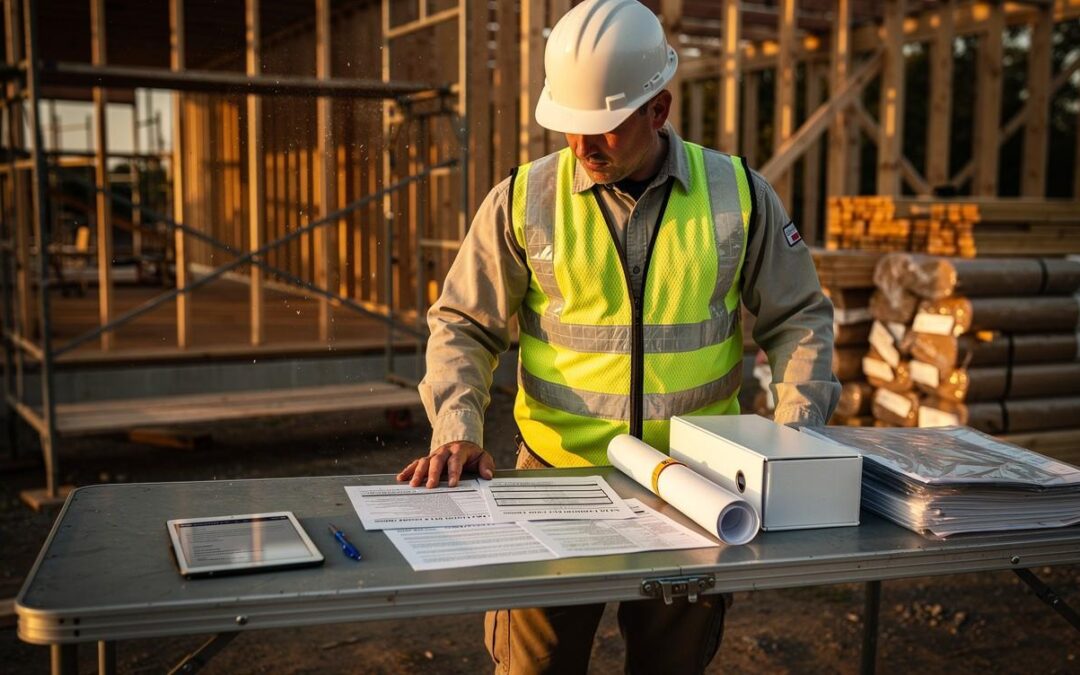
One accident on a job site can cost you thousands in medical bills, legal fees, and settlements. Contractor liability insurance protects your business from these financial disasters.
At Stonebrook Insurance, we help contractors understand what coverage they actually need and why it matters. This guide walks you through the essentials of contractor liability insurance so you can make informed decisions for your business.
What Contractor Liability Insurance Actually Protects
One accident on a job site exposes your business to three major categories of financial risk. Contractor liability insurance covers all three, but understanding what protection you actually receive matters before you sign a policy.
Bodily Injury Claims
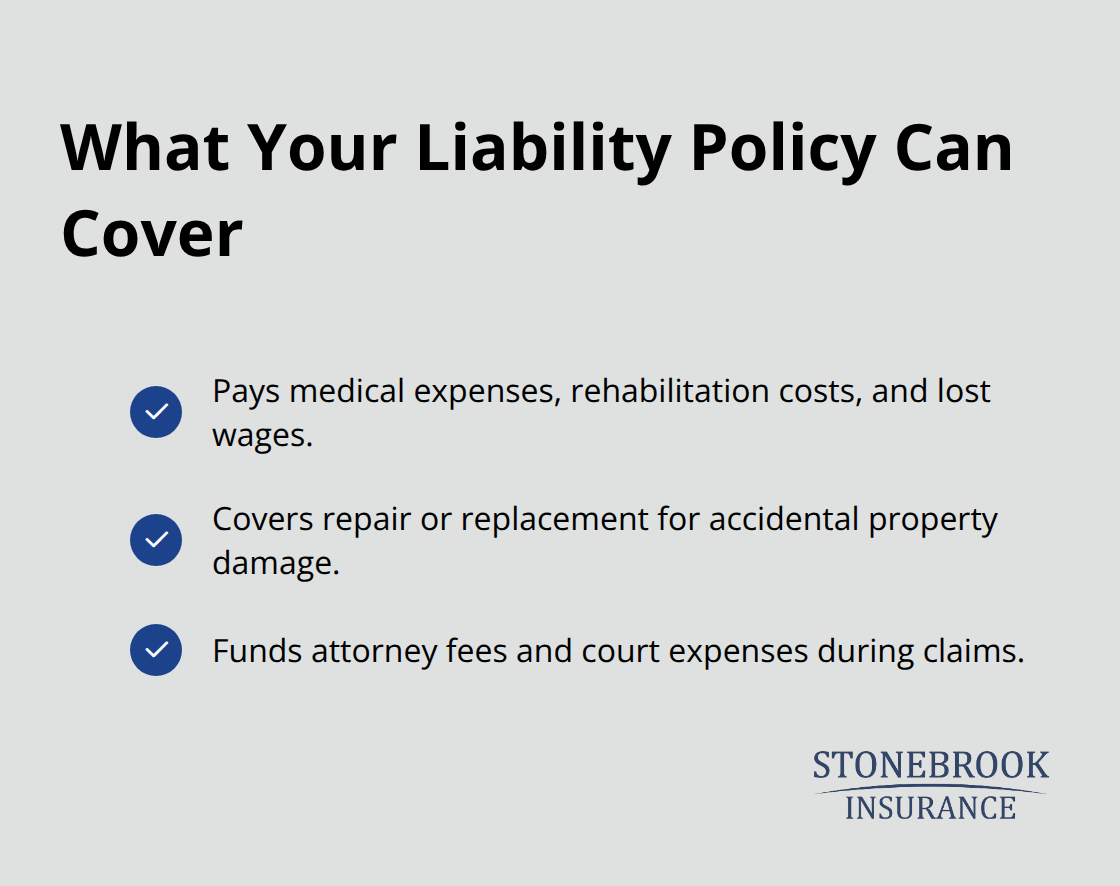
When someone gets hurt on your job site, your liability policy pays their medical expenses, rehabilitation costs, and lost wages up to your coverage limit. A worker stepping on a nail, a client tripping over equipment, or a passerby injured by debris all trigger this protection. Your insurer handles these claims and covers the costs, which means you avoid depleting your business reserves to pay injured parties.
Property Damage Liability
You cause accidental damage to someone else’s property during your work regularly-it’s part of construction. If you damage a client’s HVAC system during installation, puncture their roof with equipment, or destroy landscaping while working on their home, your policy covers repair or replacement costs. This protection applies to damage you cause at the job site, protecting both your finances and your client relationships.
Legal Defense Costs
Your insurer pays attorney fees and court expenses regardless of whether you’re found at fault. Defense costs alone reach $50,000 to $150,000 before a case even goes to trial, according to industry data. This means your policy protects you from massive legal bills that could otherwise cripple your business.
Understanding Your Coverage Limits
Most construction contracts demand liability coverage of at least $1,000,000 per occurrence and $2,000,000 general aggregate-substantially higher than many state licensing minimums, which range from $50,000 to $300,000. Per occurrence means your policy pays up to that limit for any single incident, while general aggregate caps total claims paid during your entire policy year. If you work on residential projects, many homeowners require you to name them as an additional insured, meaning they receive the same protection as you do under your policy. This standard contract requirement protects the property owner and typically costs you nothing extra to add.
What Gets Excluded From Coverage
Your liability policy has significant gaps that many contractors discover too late. General liability typically excludes faulty workmanship-if your installation fails or work doesn’t meet standards, that responsibility falls on you, not your insurer. Most policies also exclude pollution liability, meaning environmental spills on construction sites require separate coverage. Contractual liability exclusions mean you won’t receive coverage for promises you made beyond what your policy naturally provides, so review every contract language before signing. Height and depth restrictions commonly exclude work above certain elevations or below ground level, and some policies exclude residential construction entirely unless you purchase a residential endorsement.
These exclusions create real gaps in your protection. Understanding what your policy doesn’t cover helps you identify which additional coverages you need for your specific projects and clients.
Why Contractors Need Liability Insurance
Legal Requirements Exceed State Minimums
Most states legally require contractors to carry general liability insurance before you bid on projects, but compliance represents only the minimum protection your business needs. Many states mandate minimum coverage between $50,000 and $300,000, yet standard construction contracts demand $1,000,000 per occurrence and $2,000,000 general aggregate-far exceeding legal minimums. This gap exists because project owners understand that state minimums fail to cover realistic injury and property damage costs. Without liability insurance, you personally face lawsuits, settlements, and judgments that can bankrupt your business.
The True Cost of Uninsured Claims
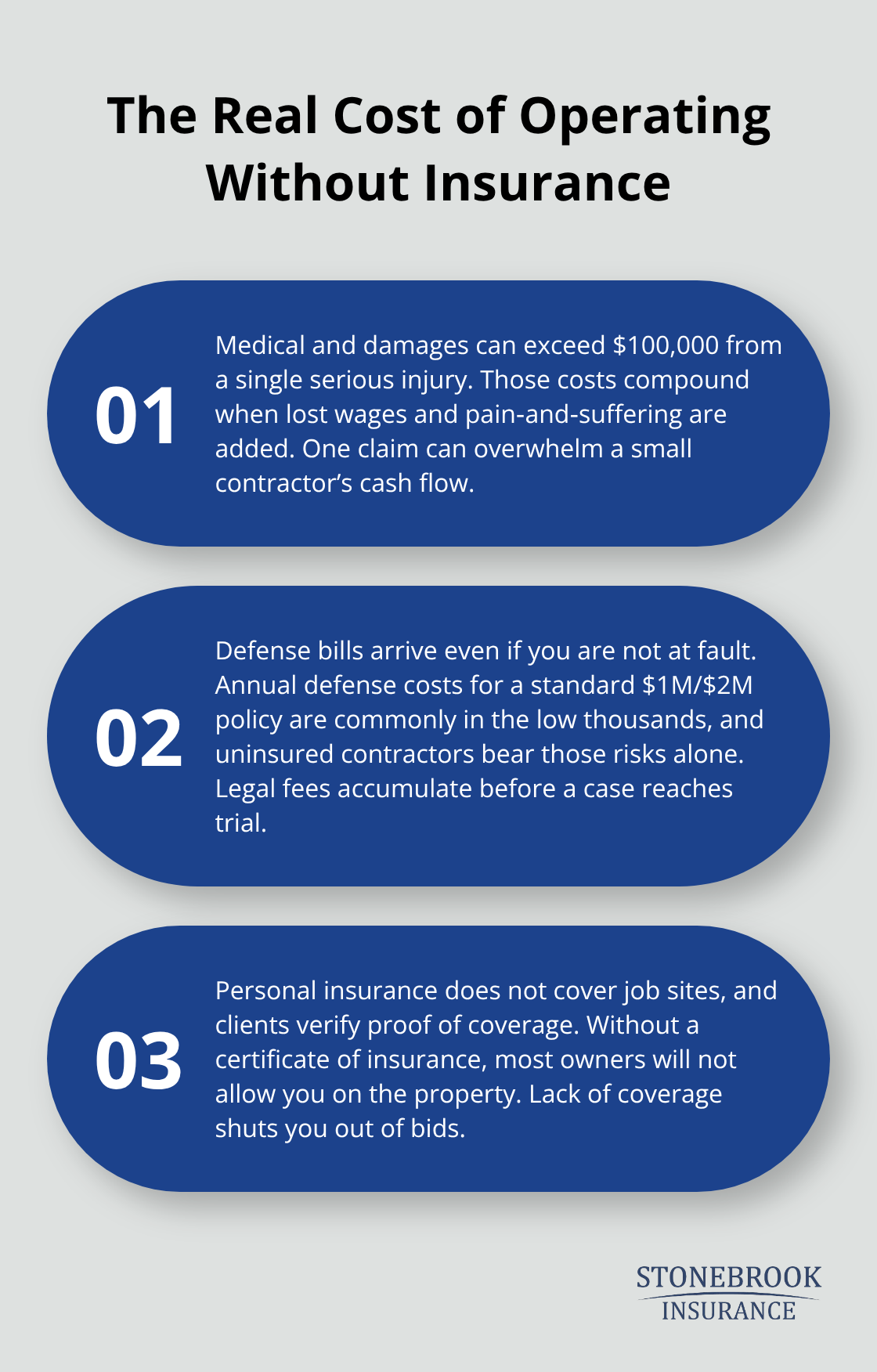
A single serious injury claim easily exceeds $100,000 in medical expenses, lost wages, and pain-and-suffering damages. Defense costs in construction liability claims typically run between $750 and $2,500 annually for a standard $1M/$2M general liability policy, meaning you could owe substantial sums just defending yourself against a claim. Your homeowner’s insurance explicitly excludes business activities, so personal policies provide zero protection on job sites. Most clients require proof of insurance before allowing you on their property-without it, you simply don’t get hired.
Insurance as a Business Asset
Contractors who carry proper liability insurance win more bids because clients trust that you can cover damages without bankrupting them. Banks and lenders financing construction projects require proof of insurance as a condition of funding, so your ability to secure project financing depends partly on your coverage. Insurance also separates you from fly-by-night operators who cut corners on safety and skip insurance entirely. When you present a current certificate of insurance to a potential client, you signal that you take your business seriously and operate professionally.
How Claims History Affects Your Bottom Line
Claims history matters significantly-a contractor with multiple liability claims pays substantially higher premiums or faces rejection from standard carriers. This creates real incentive to maintain strong safety practices and quality workmanship, since insurance companies reward low-claim histories with better rates. Major contractors and property managers verify your insurance through certificates of insurance and often require you to name them as additional insured parties, a standard contract condition that protects their interests while demonstrating your professionalism.
Your liability coverage directly influences which projects you can pursue and how clients perceive your operation. The right policy structure determines whether you meet contract requirements and protect your personal assets from catastrophic losses.
How to Choose the Right Coverage for Your Business
Start by pulling your last three job contracts and identify what insurance requirements clients actually demanded, not what you think you might need someday. Most residential clients require $1,000,000 per occurrence and $2,000,000 general aggregate, while commercial projects often demand $2,000,000 per occurrence with $4,000,000 aggregate. This baseline matters because underbidding your coverage creates two problems: you fail contract requirements and lose the job, or you win the job but face uninsured exposure if something goes wrong.
Your project type determines everything else. A roofing contractor faces different risks than an electrician, and a residential remodeler operates under different constraints than a commercial framing crew. Document your highest-risk activities-work at heights, electrical systems, structural modifications, or environmental exposure-because these drive premium costs and exclusion negotiations with your carrier. Many contractors discover mid-project that their policy excludes exactly what they’re doing, so read the exclusions section before signing anything. The Hartford reports that artisan contractors pay approximately $206 monthly for a Business Owner’s Policy, though your actual cost depends on your specific trade, team size, and location risk factors.
Set Deductibles That Protect Your Cash Flow
Higher deductibles lower your premium but increase what you pay out-of-pocket when claims happen. A $1,000 deductible versus a $5,000 deductible might save you $300 to $500 annually, but that math breaks down if you have a claim and cannot afford the higher out-of-pocket cost. Construction contractors typically use $2,500 to $5,000 deductibles because they balance affordable premiums with manageable risk.
Your claims history directly affects your options-contractors with multiple past claims face higher premiums regardless of deductible selection, so maintaining clean safety records saves money long-term. Get quotes at three different deductible levels so you see actual numbers instead of assumptions. Progressive Commercial and other carriers show how small changes in deductibles affect your total annual cost, helping you make decisions based on real pricing.
Build Your Coverage Stack Strategically
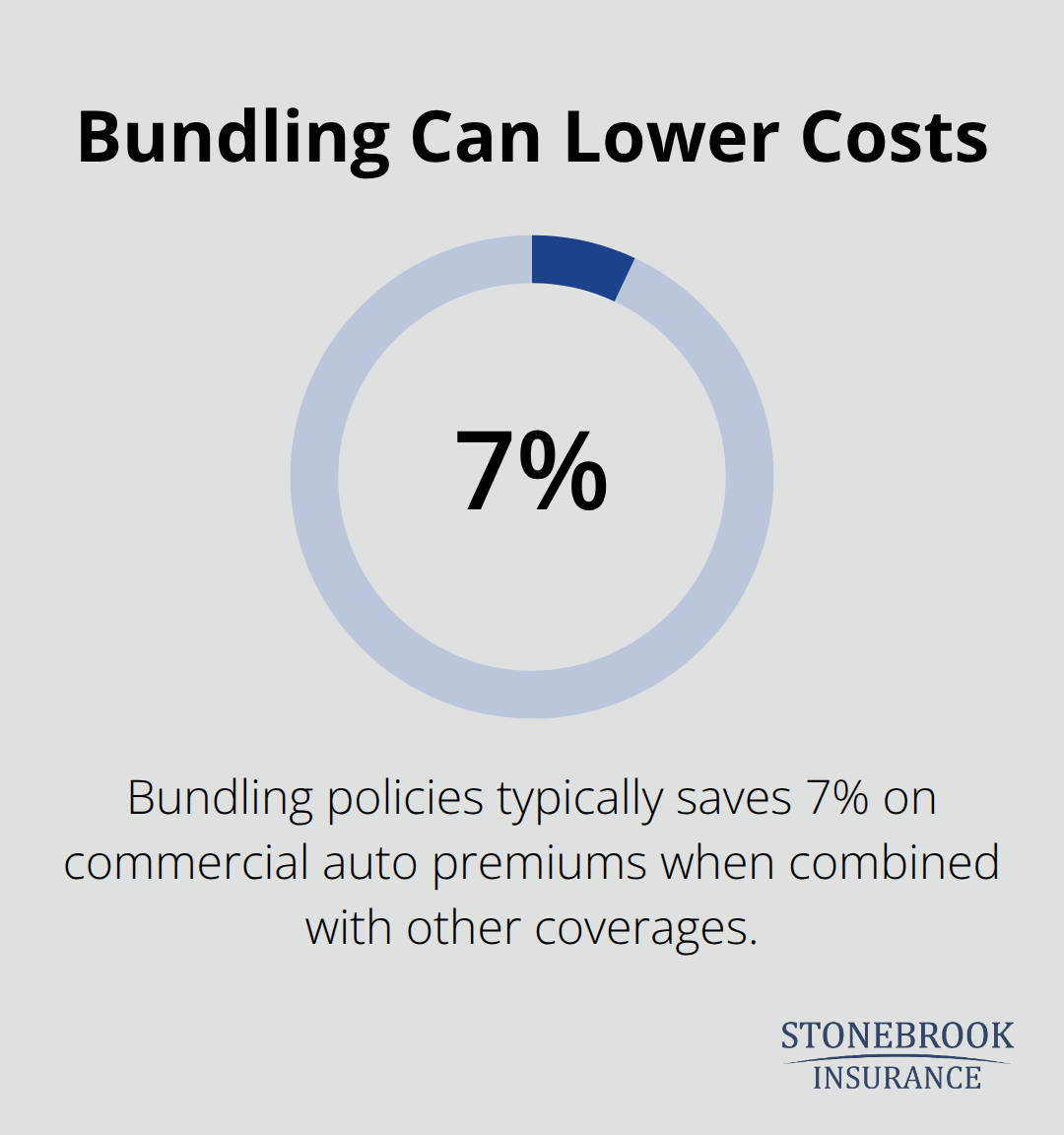
General liability alone leaves gaps that cost contractors money. Most commercial projects also require workers’ compensation if you have employees, commercial auto insurance for work vehicles, and often professional liability if you provide design advice or specifications. Bundling these policies together typically saves 7% on commercial auto premiums when combined with other coverages, according to Progressive.
A certificate of insurance proves your coverage to clients and satisfies contract requirements, so request one immediately after purchasing your policy and maintain copies for every active project. Additional insured endorsements cost nothing to add but require naming the client on your policy-this protects them if your work causes their loss and demonstrates you understand professional contracting standards.
Match Coverage to Your Specific Trade and Team Size
Electricians, plumbers, HVAC technicians, and framers each operate under different risk profiles that affect both coverage needs and premium costs. A small crew of two people pays substantially less than a team of ten, and your payroll size directly influences workers’ compensation premiums. Location matters significantly as well (high-litigation areas typically cost more), so contractors in different Texas regions face different rate structures even with identical coverage limits.
Talk with an insurance agent who understands construction to structure policies that meet your specific project requirements while avoiding unnecessary coverages that inflate premiums without adding real protection. The right policy structure determines whether you meet contract requirements and protect your personal assets from catastrophic losses.
Final Thoughts
Contractor liability insurance protects your business from financial devastation, but only when you understand what coverage actually means for your specific projects. The gap between state legal minimums and what clients actually require creates real risk if you guess wrong about your coverage needs-a $1,000,000 per occurrence limit with $2,000,000 general aggregate represents the construction industry standard, yet many contractors operate with inadequate protection because they never reviewed their contracts carefully. Your coverage decisions directly affect which projects you can pursue and how clients perceive your professionalism.
A single serious injury claim easily exceeds $100,000 in medical expenses and damages, and defense costs alone can reach $50,000 to $150,000 before trial. Without adequate contractor liability insurance, you personally face lawsuits and judgments that threaten your personal assets and business survival. Your homeowner’s insurance explicitly excludes business activities, so personal policies provide zero protection on job sites.
We at Stonebrook Insurance help contractors navigate these decisions with personalized guidance based on your actual project requirements. Our team understands construction risks and can structure policies that meet contract demands while protecting your bottom line. Contact us today to get quotes that reflect your specific business and discuss which coverages make sense for your operation.
The information provided in this blog is for general informational purposes only and does not constitute legal, financial, or insurance advice. Coverage options, terms, and availability may vary. Please consult with a licensed professional for advice specific to your situation.
Artificial intelligence may have been used to generate text and images in some blog articles.